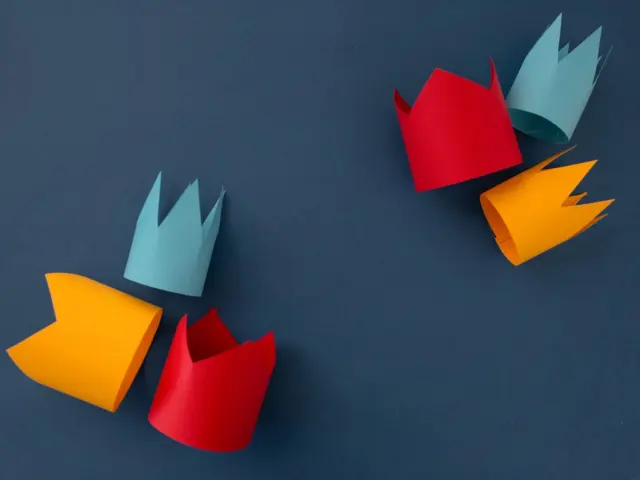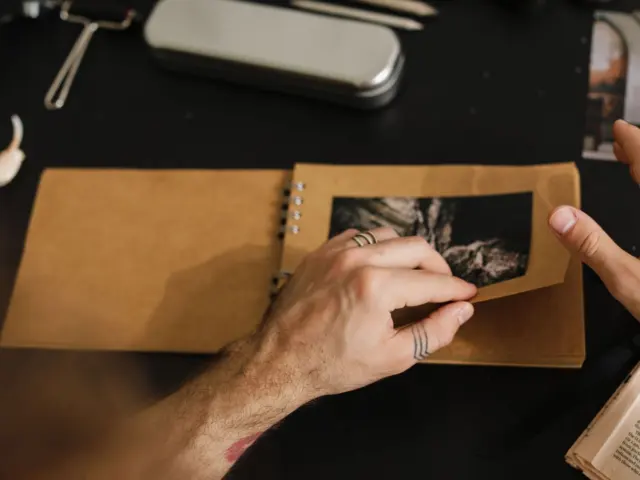
Standing in front of a shelf of paper and wondering where to begin? The best paper crafts for beginners need only paper, scissors and glue: fold a simple origami model, make a basic card, or cut paper flowers.
This guide is part of our wider papercraft coverage, and it helps you pick a first project and the few supplies worth buying.
| Item | Value |
|---|---|
| Lightweight cardstock | 65 lb cover |
| Most popular weight for card making | 80 lb / ~216 GSM |
| Heavy cardstock | 100 lb / ~270 GSM |
| Card base weight advised by one guide | 100-110 lb |
| Origami’s early use | Historical ceremonial uses; exact origins uncertain |
Figures come from a Cricut cardstock guide and an Altenew beginner article. Both are retailer blogs and details can change, so check the source before you rely on them.
Why paper is a good first craft
Paper is cheap, forgiving and easy to find. A mistake costs you one sheet, not a pricey material, so you can practise freely.
It also teaches skills that carry across the hobby: cutting cleanly, folding accurately and gluing neatly. Once those feel natural, almost any other paper project becomes easier.
Start with something that takes one sitting. A finished project in an hour keeps you motivated far better than a complicated one abandoned half way.
The few supplies you actually need
You do not need a craft room. A small starter kit covers nearly every beginner project in this guide.
- Paper: plain copy paper for practice, plus a few sheets of coloured paper or cardstock.
- Scissors: a sharp pair that cuts straight lines.
- Ruler and pencil: for measuring and marking fold lines.
- Glue: a glue stick for flat work, and double-sided tape for neat edges.
- A scoring tool: optional, but useful for cards.
Altenew notes that, for projects that involve joining separate pieces, adhesives are must-have supplies, so choose one you like handling. Cricut says a scoring stylus or wheel creates a guide for the fold without breaking the paper fibres. A butter knife’s blunt back or an empty pen can do the same job for free.
Easy paper crafts to start with
Each of these needs little equipment and gives a result you can be proud of. Altenew says that when you are new to paper crafting, it is ideal to start with simple projects like paper flowers or origami.
Simple origami
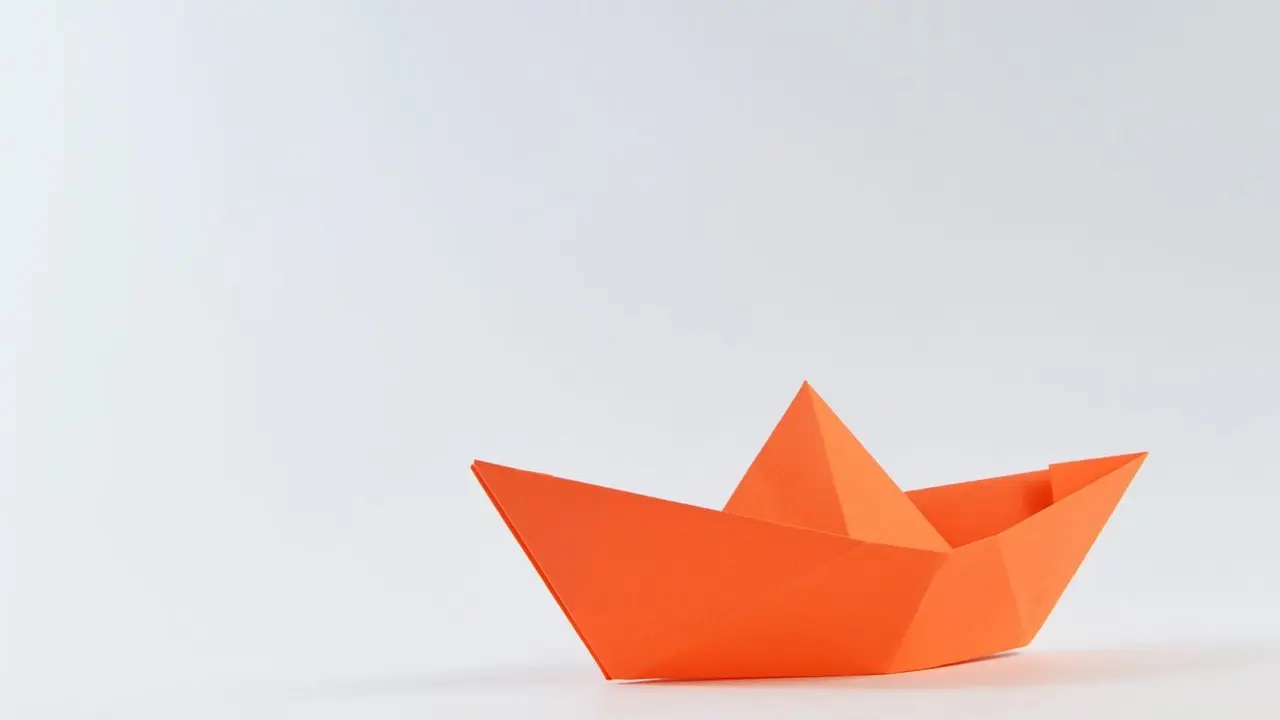
Folding is among the easiest ways in. A paper boat, a cup or a basic fish needs only a square sheet and patience. Our guide to origami goes deeper once you want more models.
Origami has historical ceremonial uses, but its exact origins are uncertain. Today it is a relaxed hobby open to anyone.
A basic folded card
A greeting card is a satisfying first project because someone gets to enjoy it. Fold one sheet of cardstock in half, press the crease flat and decorate the front.
Paper flowers
Cut petal shapes, curl them around a pencil and glue them into a layered bloom. Mistakes look natural here, because real flowers are never perfectly symmetrical.
Paper chains and garlands
Cut strips, loop them through each other and glue the ends. This is the simplest project of all, and it works well for a party or a classroom.
Cut-and-fold decorations
Fold paper, cut shapes from the edge, then unfold to reveal a pattern. Snowflakes and paper-doll chains both use this trick.
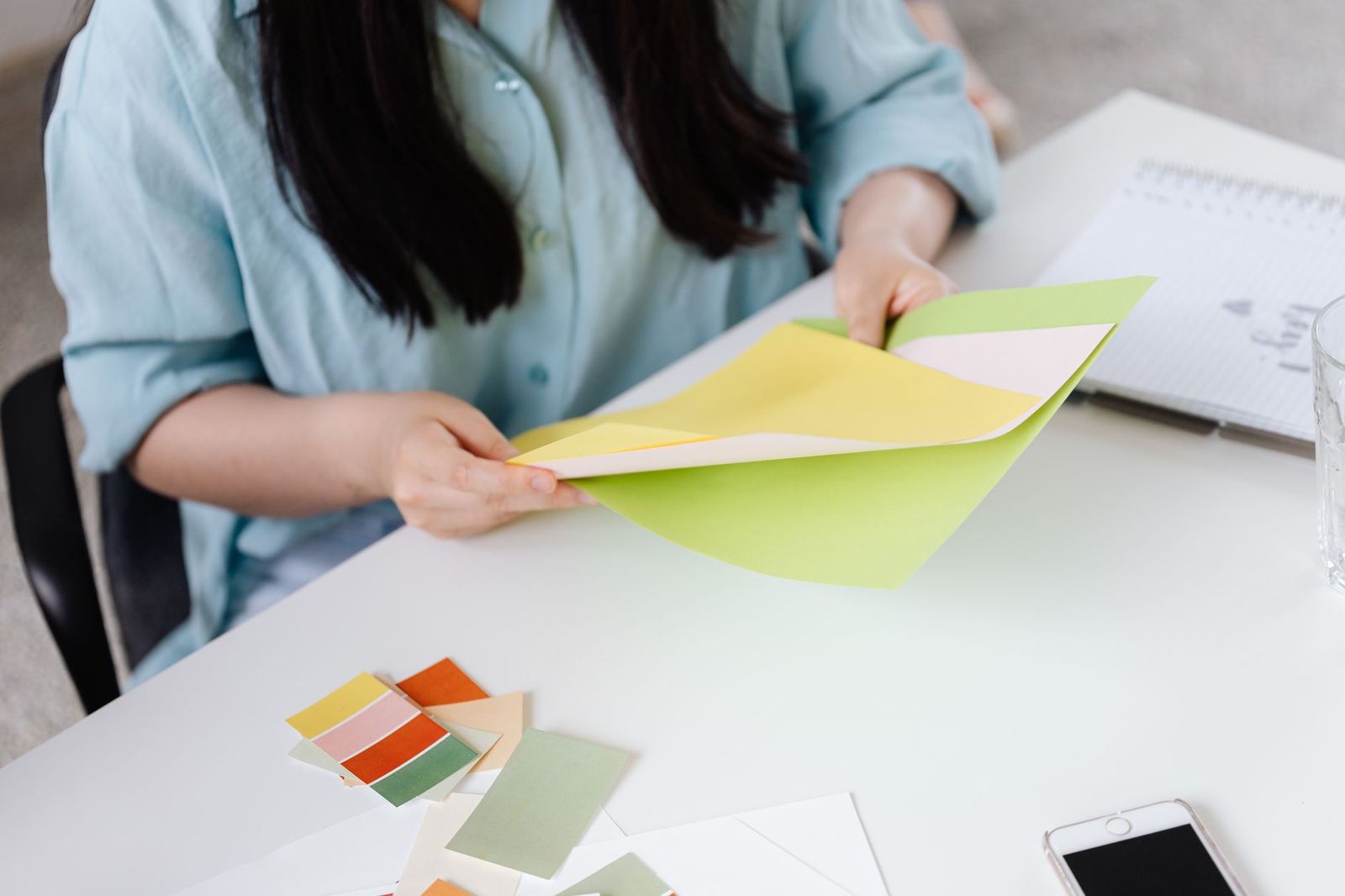
Choosing the right paper
Paper weight is the detail that confuses beginners most. Cricut explains that weight is measured by pounds per 500 sheets in the US (lb), or by grams per square metre (GSM) internationally.
Here is how the common weights compare, according to the same guide:
- 65 lb cover: often considered lightweight or medium-light cardstock.
- 80 lb / ~216 GSM: the most popular weight for card making.
- 100 lb / ~270 GSM: heavy cardstock.
For a card base, Cricut advises heavy cardstock of 100-110 lb for structure. Pack labels are approximate, so treat these numbers as a guide rather than a rule.
For origami, thin paper is easier to fold. For flowers and chains, light coloured paper bends and curls more easily than stiff card.
Mistakes beginners make (and easy fixes)
Almost everyone makes the same few slips early on. Knowing them in advance saves paper and frustration.
- Using too much glue: wet paper wrinkles and warps. Dab small amounts and press the pieces together for a few seconds.
- Skipping the test piece: a scrap sheet shows you whether a fold or cut works before you commit your good paper.
- Folding thick card without scoring: the outer layer can crack. Score first, then fold along the groove.
- Rushing the creases: a fold that is not pressed flat makes every later step less accurate.
- Dull scissors: blunt blades chew paper edges. A sharp pair makes cleaner curves and straighter lines.
If a project goes wrong, keep the ruined piece. Offcuts and failed attempts make good scraps for testing, for small card layers or for cutting into confetti.
Habits that make your work look neater
Neat results depend more on habits than on talent. A few small routines will lift the quality of everything you make.
Work on a clean, flat surface and wash sticky fingers before handling pale paper. Fingerprints and glue smears show up most on light colours, and they are hard to remove.
Measure carefully before you cut. A pencil mark takes seconds, and it keeps panels, petals and strips the same size, which is what makes a handmade piece look finished instead of rough.
Press folds with the side of a fingernail, a ruler edge or a scoring tool. Run it along the crease in one smooth stroke and the line stays crisp.
Keep your paper flat when you store it. A folder, a large envelope or a shallow box stops sheets curling at the corners, so they behave when you come back to them.
How to start your first project
- Pick one project from the list above and read it through before you cut anything.
- Test the folds or cuts on scrap copy paper first.
- Switch to your good paper and work slowly, pressing each crease flat.
- Use a little glue at a time; too much warps the paper.
- Let everything dry flat before you display or give it away.
If you are crafting with children, our page on paper crafts for kids suggests projects with safer tools and shorter steps.
Expect your first attempts to look a bit wobbly. Neat edges and sharp creases come with practice, not with expensive supplies.
Frequently asked questions
What is the easiest paper craft for a complete beginner?
Show answer
A paper chain or a simple folded card needs the fewest skills and tools. Simple origami and paper flowers are also good first projects.
Do I need special tools to begin?
Show answer
No. Paper, scissors, a ruler and glue are enough. A scoring tool helps with cards, but a blunt object can stand in for it.
What paper weight should I use for cards?
Show answer
Cricut calls 80 lb / ~216 GSM the most popular weight for card making, and advises 100-110 lb for the card base. Check the label on the pack you buy.
Why does my cardstock crack when I fold it?
Show answer
Thick card can break along the fold if it is not prepared. Scoring first creates a guide for the fold without breaking the paper fibres.