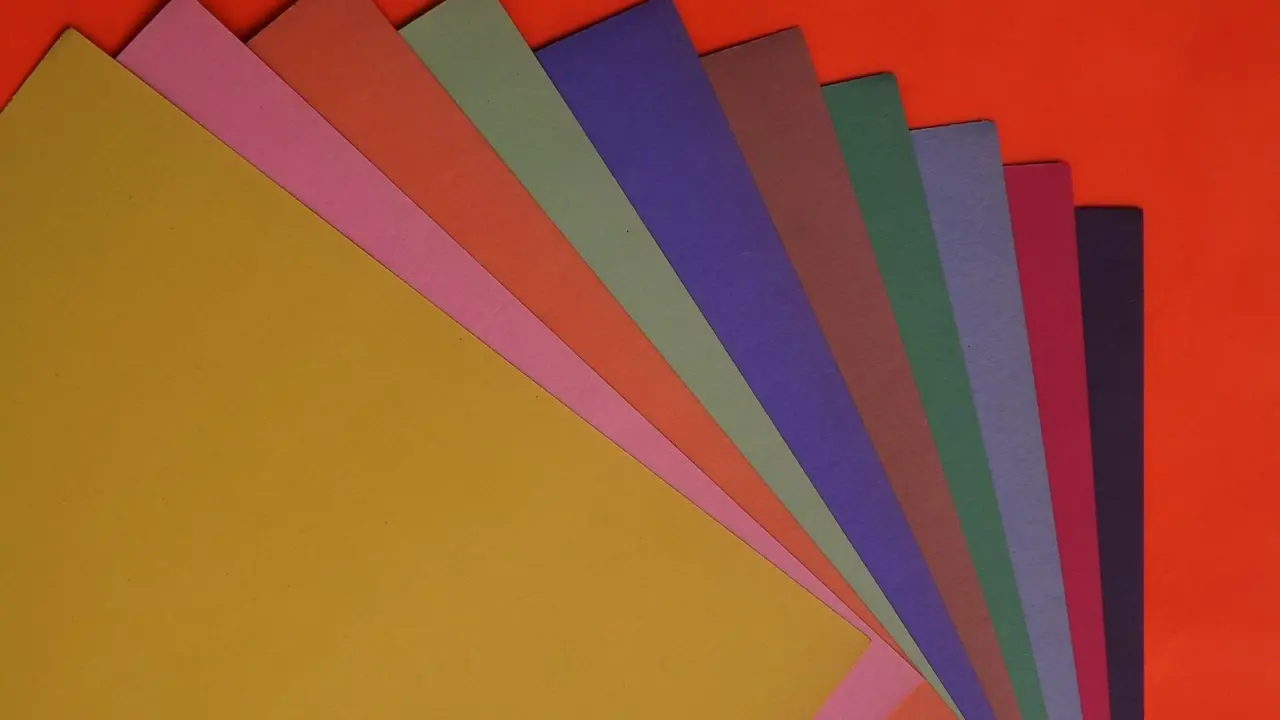
Standing in front of a wall of paper and unsure what to buy? The main types of craft paper are cardstock, construction, kraft, tissue, watercolor and specialty sheets, and each suits a different job.
This guide sits alongside our notes on paper cutting tools, because the paper you pick decides which tools work best.
| Paper type | Key fact |
|---|---|
| Cardstock (white, card making) | 80lb – 110lb |
| Construction paper | Low-cost, commonly used in kids’ crafts |
| Tissue paper | Likely the most fragile and thinnest paper |
| Watercolor paper | Designed for wet media but can still buckle |
| Vellum | Translucent and available in a range of weights |
These figures come from Altenew’s craft paper guide, a retailer’s page. Weights and product details can change, so check the source and the label on your pack before you rely on them.
Types of craft paper by weight and feel
Paper weight is the quickest way to sort the options. Light sheets such as tissue and lightweight vellum drape and tear; middle weights such as scrapbook and origami paper fold easily; heavy sheets such as cardstock stay rigid.
Weight is printed on most packs in pounds (lb) or grams per square metre, and the two scales do not match, so compare like with like. Two packs both labelled “cardstock” can feel quite different, so treat the label as a starting point and judge the sheet in your hand.
Surface matters as much as weight. A smooth sheet suits stamping and fine detail, while a textured sheet adds interest but can make crisp stamped lines look broken.
- Stiff: cardstock, watercolor paper.
- Medium: scrapbook, construction, kraft and origami paper.
- Delicate: tissue paper and lightweight vellum.
Cardstock: the backbone of card making
Cardstock is the paper most card makers reach for first. It is thick and stiff, so it holds a fold, carries embellishments and survives a little liquid.
The guide notes that regular paper may warp or tear under excess liquid or heavy embellishments, while the thickness and weight of cardstock make it popular for many paper projects. It lists white cardstock at 80lb – 110lb as an excellent choice for card making and scrapbooking.
Cardstock also comes in textured, glitter and gradient versions. Check the weight on the pack, since thicker sheets cut cleanly but can be harder to fold without scoring first.
Construction and scrapbook paper
Construction paper is a low-cost paper commonly used in kids’ crafts. It is a good choice for practice cuts, classroom projects and templates where the finish does not need to last.
Scrapbook paper is the pattern-first option. It is useful for layering behind a focal piece, lining envelopes and making quick backgrounds.
- Use construction paper for play, templates and test cuts.
- Use scrapbook paper for patterned layers and envelope liners.
- Mount either on cardstock if the finished piece needs to stand up.
Kraft paper: strong, natural and versatile
Kraft paper is the plain, brown, utilitarian sheet many people picture when they hear “craft paper”. It is a different thing from the general category, which is why the two names are so often mixed up.
Altenew says kraft paper suits a wide range of paper crafts, including card making, scrapbooking, DIY bookmarks and boxes. Its earthy colour pairs well with white ink, twine and stamped sentiments.
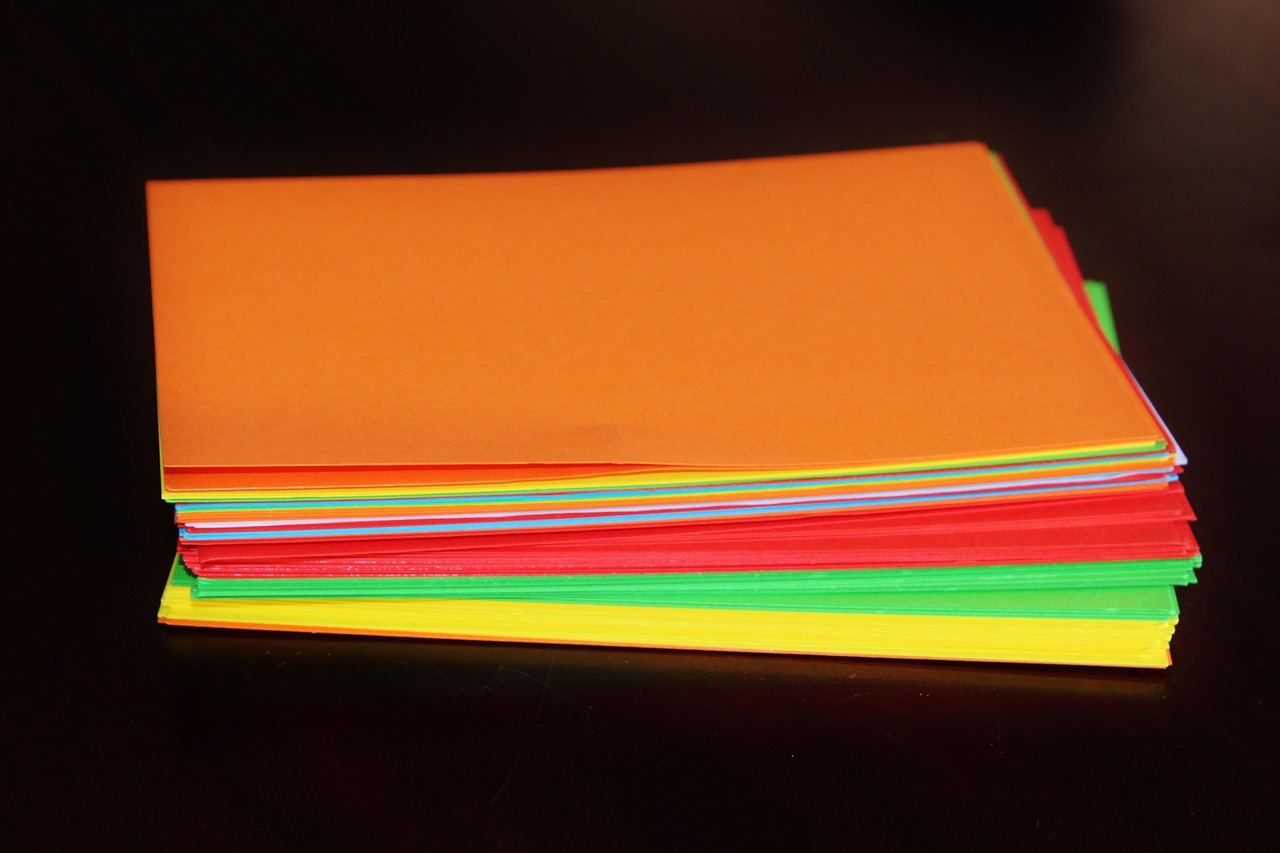
Tissue, vellum and other specialty papers
Tissue paper is known for being light, airy and incredibly thin. The guide calls it likely the most fragile of all the paper kinds, so it suits wrapping, pom-poms and decoupage rather than anything handled often.
Craft vellum is translucent and comes in a range of weights. It was once made from calfskin but is now commonly made from plant or tree cellulose fibres, and it works well for overlays and layered cards.
Origami paper is usually thinner than regular paper, easy to fold and able to hold multiple creases. Watercolor paper is designed for wet media but can still buckle, so use it for painted backgrounds and secure or stretch it as needed.
Working with each paper
Each paper behaves differently once you start cutting, gluing and folding. A few habits save a lot of wasted sheets.
- Cardstock: score before folding to help keep the crease straight and reduce surface cracking.
- Construction paper: use it for rough drafts of a design before cutting your good paper.
- Kraft paper: try white pens or ink on it, since light colours stand out against the brown.
- Tissue paper: use thin, dry glue so the sheet does not wrinkle or tear.
- Vellum: test adhesive for visibility and hide it behind opaque layers or embellishments where possible.
- Watercolor paper: tape the edges down while painting to help it stay flat.
These are general crafting habits rather than rules from one source, so adjust them to the paper in front of you. A scrap test costs almost nothing and tells you more than any chart.
Choosing by project
Start with what the finished piece has to do. A birthday card that will be posted needs to be sturdy, a gift tag needs to be light, and a window decoration needs to let light through.
- Greeting cards: cardstock for the base, with scrapbook paper or vellum for layers.
- Gift wrap and tags: kraft paper for wrapping, tissue for filling and cardstock for tags.
- Kids’ projects: construction paper, because it is cheap and forgiving.
- Painted backgrounds: watercolor paper, secured or stretched as needed to help it stay flat when wet.
- Folded models: origami paper, which holds creases well.
Mixing types is normal. A single card might use a cardstock base, a patterned scrapbook layer, a vellum overlay and a kraft tag.
If you are new to papercraft, a sensible starter kit is white cardstock, a few coloured cardstock sheets, one pad of scrapbook paper and a sheet of kraft. That covers most card designs and lets you learn how each paper handles before you add vellum or watercolor stock.
Buying tips
Buy a small mixed pack before committing to a large quantity of any one paper. Handle the sheets, fold one, and see how it behaves under your own scissors or blade.
Store paper flat, away from damp and direct sun, so sheets do not curl or fade before you use them.
How to match paper to the tool
Thin papers such as tissue and lightweight vellum tear easily, so they need a sharp blade and a light hand. A good craft knife for paper keeps those edges crisp.
For shaped cutting with paper punches, choose cardstock within the punch manufacturer’s recommended weight range. Always test on a scrap of the same paper first.
- Decide whether the piece must be stiff, thin, wet-proof or decorative.
- Pick the paper type that fits that need.
- Check the weight printed on the pack.
- Test your cutting tool on a scrap before the real project.
Frequently asked questions
Is kraft paper the same as craft paper?
Show answer
No. Craft paper is a broad term for papers used in crafting, while kraft paper is a specific strong paper made by the kraft pulping process, usually brown.
Which paper is best for handmade cards?
Show answer
Cardstock is the usual choice. The guide suggests white cardstock at 80lb – 110lb for card making and scrapbooking.
Can I use tissue paper for cards?
Show answer
Yes, as a thin layered accent, but it is the most fragile paper, so glue it gently onto a sturdier base.
Why does my paper buckle when painted?
Show answer
Ordinary paper warps when wet. Watercolor paper is designed to resist that, so switch to it for wet media.